Iroquois Pipe: Adding a Bold, Colorful Edge to Your Designs
There’s a moment in every design project where you hit a wall. You’ve got the layout, the images, and the copy, but something’s missing. The typography feels flat. It’s functional, sure, but it doesn’t have that spark—the personality that makes a viewer stop scrolling or pick up a brochure. If you’re searching for that missing piece, a font like Iroquois Pipe might be exactly what you need. This isn’t just another typeface; it’s a creative tool built to make a statement.
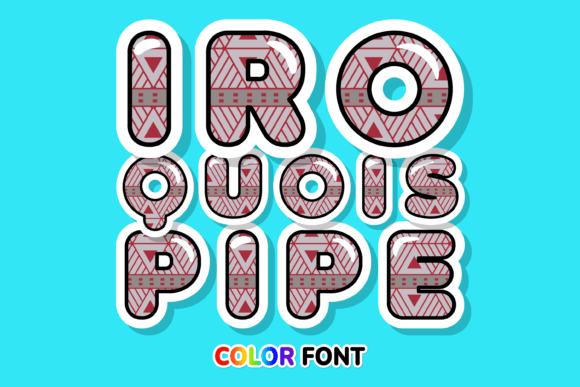
At its core, Iroquois Pipe is a display font with a distinct, modern edge. Think of it as a serif font that’s been reimagined for the digital age. The letterforms have a sturdy, architectural quality, reminiscent of clean piping or structural beams. But what truly sets it apart is its nature as a color font. Using OpenType-SVG technology, each letter is filled with gradients, textures, or multi-tonal colors right out of the box. This means you don’t need to manually apply effects in Photoshop or Illustrator; the complexity is baked directly into the font file itself. The result is a typeface that feels both sophisticated and playful, perfect for projects that demand attention without shouting.
Where This Creative Font Truly Shines
Understanding a font’s personality is one thing, but knowing where to deploy it is where the real strategy comes in. Iroquois Pipe excels in contexts where first impressions matter and brand recall is critical. It’s a premium font choice for logo design and brand identity projects, especially for brands that want to convey innovation, creativity, or a touch of luxury. Imagine a boutique coffee roaster using it for their packaging, or a tech startup using it for a hero headline on their website. The built-in color and texture add a layer of depth that a standard sans serif font or script font simply can’t match.
Beyond logos, this creative font is a powerhouse for editorial design and packaging design. Magazine covers, book titles, or product labels can leverage its vibrant character to stand out on a crowded shelf or page. For social media graphics, it’s a game-changer. A single word set in Iroquois Pipe can become the focal point of an Instagram post or a Facebook ad, driving engagement through pure visual interest. It’s also a fantastic asset for DIY crafts and personal projects. If you’re creating custom invitations, party decor, or merchandise using compatible software like Silhouette Studio, this font adds a professional, polished look that’s hard to achieve with standard fonts.
Making It Work: Practical Tips for Designers and Creators
Adopting a color font like Iroquois Pipe requires a slightly different approach than working with traditional typefaces. First and foremost, compatibility is key. As an OpenType-SVG font, it works seamlessly in applications that support this format, such as Adobe Photoshop, Illustrator, Inkscape, and Silhouette Studio. It’s crucial to note that the standard OTF or TTF files are not compatible with Cricut machines. Always check your software’s capabilities before purchasing to ensure a smooth workflow.
When integrating it into a project, think of Iroquois Pipe as a headline or accent font. Its bold, detailed nature makes it less suited for body copy where readability at small sizes is paramount. Instead, pair it with a clean, neutral sans serif font for paragraphs or supporting text. This creates a strong visual hierarchy, guiding the reader’s eye naturally. For example, use Iroquois Pipe for a main headline, a simple sans serif for subheadings, and a highly legible serif or sans serif for body text. This kind of thoughtful font pairing ensures your design is both striking and functional.
Before finalizing, always test the font in context. View it at the actual size it will be used, on both screen and print if possible. Check how the colors interact with your background—a busy background might compete with the font’s details. Consider the mood: does its modern, structured personality align with your brand identity? Finally, review the licensing for your intended use. If you’re using it for a commercial project, ensure the license covers your application, whether it’s for client work, merchandise, or digital products. Treating Iroquois Pipe as a strategic design asset rather than just a decorative element will help you unlock its full potential and create work that resonates and endures.