Frankenstein: A Color Font for Bold, Eye-Catching Designs
Let's be honest: in a world saturated with standard black-and-white typefaces, making a visual statement can feel like an uphill battle. You need a design element that doesn't just occupy space but commands attention. This is where Frankenstein enters the conversation, not as a monster, but as a creative powerhouse. This isn't just another display font; it's an incredibly cool color font, built on the modern OpenType-SVG technology. It’s designed for creators who want to inject immediate, vibrant personality into their work without the extra steps of manual coloring.
More Than Just a Typeface: Understanding the Frankenstein Font
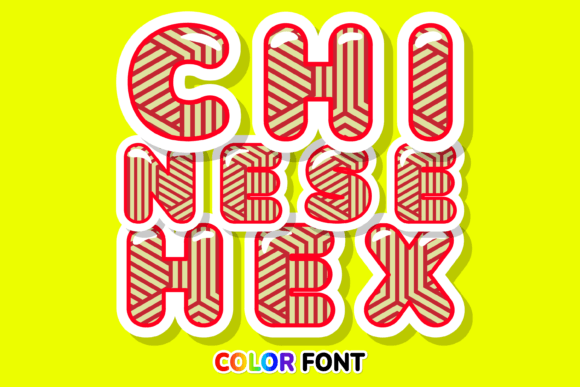
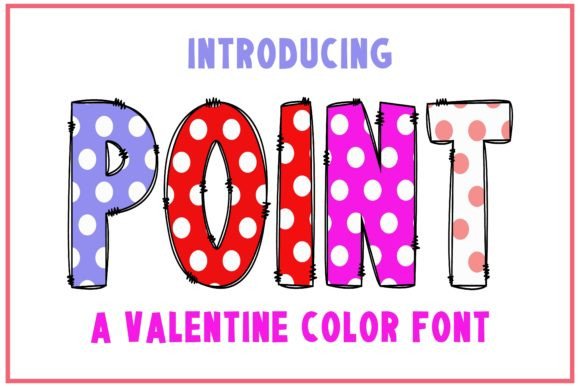
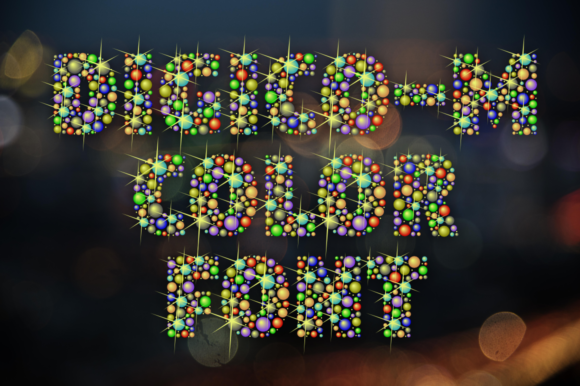
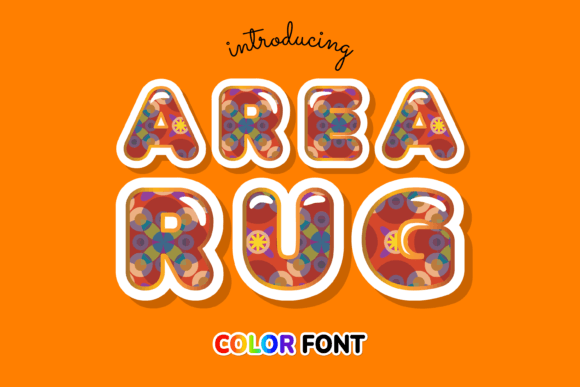
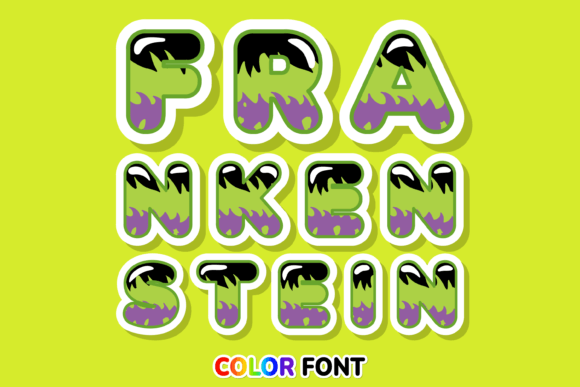
First, let's clarify what makes Frankenstein special. When we say "color font," we're talking about a file that contains vector graphics, gradients, and multiple hues all embedded within the single font file itself. The moment you type with Frankenstein, you get a multi-colored, textured result. Visually, it often carries a gritty, industrial, or perhaps a playful, hand-painted aesthetic depending on its specific design, but the core appeal is its built-in color and texture. This positions it as a premium font asset for projects that need to pop off the screen or page.
Its personality is one of confident creativity. It’s the kind of typeface that suggests craftsmanship and a hands-on approach. Think of it as the digital equivalent of a beautifully screen-printed poster or a meticulously crafted sign. It’s a creative font that tells a story before the reader even processes the words. This makes it a fantastic choice for brands and projects aiming for an authentic, artisanal, or distinctly bold identity. It’s far from a minimalist sans serif font; it’s a statement piece.
Where Frankenstein Truly Shines: Practical Applications
The real value of any design asset is in its application. Frankenstein excels in scenarios where a single, powerful headline or graphic needs to carry the visual weight. In logo design, it can provide an instant, memorable brand mark for a coffee shop, a craft brewery, a band, or a boutique clothing line. Its textured appearance conveys a sense of being "handmade" or "established," which can be a powerful brand perception tool.
For packaging design, imagine this font on a label for hot sauce, artisanal chocolate, or specialty coffee. It immediately communicates flavor and character. In the realm of social media graphics, a post or story using Frankenstein for its main call-to-action or title will stop the endless scroll. It’s perfect for event posters, album covers, or promotional banners where engagement is critical. Even in editorial design, a magazine spread or a blog header using this font can set a specific, engaging tone for the content that follows.
Integrating a Bold Font into Your Design Workflow
Adopting a font like Frankenstein requires a thoughtful approach to ensure it enhances rather than overwhelms. Here are some practical considerations for designers and creators:
- Evaluate Project Fit: Frankenstein is a display font, meaning it’s built for headlines and short bursts of text, not body copy. Its primary role is to create a visual hierarchy, drawing the eye to the most important information. Using it for long paragraphs would sacrifice readability, which is a key principle of modern typography.
- Master Font Pairing: The strength of a bold display font is often revealed in its companion. Pair Frankenstein with a clean, neutral sans serif font for body text or subtitles. A simple, geometric sans serif can provide a calming counterbalance, allowing the main headline to be the star without creating visual chaos. Avoid pairing it with another highly stylized script font or handwritten font, as they will compete for attention.
- Test for Readability and Scalability: Because it’s a color font, test how it renders at various sizes. On a small mobile screen, some intricate color details might get lost. On a large print banner, it will look stunning. Always check its legibility against different background colors and textures.
- Check Technical Compatibility: This is crucial. Frankenstein is an OpenType-SVG font, which is compatible with professional design software like PhotoShop, Illustrator, Silhouette, and Inkscape. However, it’s important to note that standard OTF or TTF versions are not compatible with Cricut machines. For crafters and hobbyists, verifying software support is a non-negotiable first step. Understanding the technical specs of your design assets saves immense frustration.
- Review Licensing for Commercial Use: If you're a small business owner, entrepreneur, or marketer, confirm the font’s licensing covers your intended use. Most premium fonts come with licenses for commercial projects, but it’s always best practice to review the terms to ensure your brand identity materials are legally sound.
Ultimately, Frankenstein is more than a novelty. It’s a strategic design asset for anyone looking to inject personality, texture, and immediate visual interest into their projects. By using it judiciously for maximum impact and pairing it wisely, you can create memorable designs that truly connect with your audience. It’s a tool for telling a stronger, more colorful story.