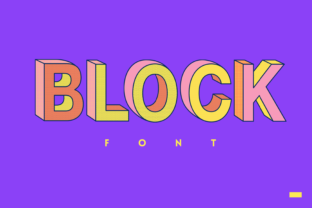
Block: A Pop Art Powerhouse for Bold Design
In the world of digital design, finding a typeface that carries genuine personality can transform a project from mundane to memorable. Block is that kind of font. Inspired by the irreverent energy of pop art and the punchy clarity of classic cartoon lettering, it’s a display typeface designed to command attention. Its forms are solid, often dimensional, with a sense of playful weight that feels both nostalgic and fresh. This isn't a font for whispering; it's for making a statement. Think of the bold, outlined titles of vintage comic books or the graphic slogans of Roy Lichtenstein’s work—that’s the spirit captured in Block.
More Than Just a Pretty Face: The Technical Side of Block
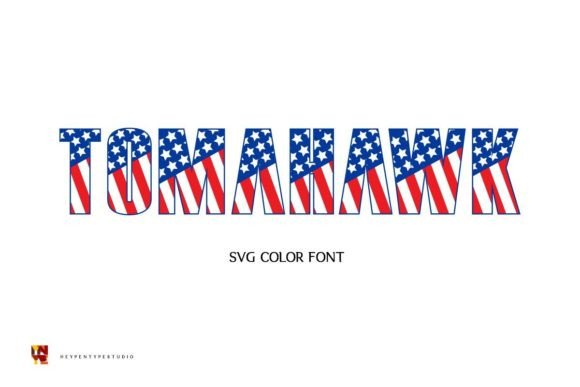
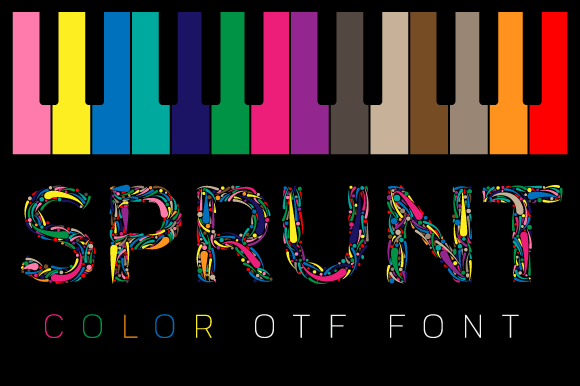
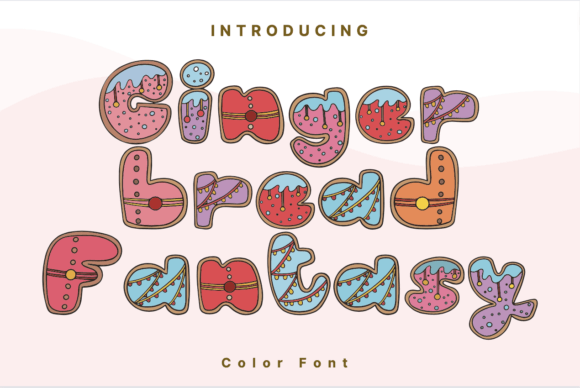
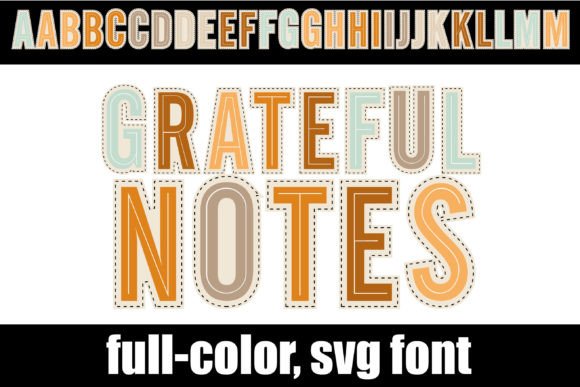
Before diving into its creative applications, it’s crucial to understand what Block is technically. This is a premium font that utilizes color font technology (OpenType-SVG). This means the color and texture you see in the preview are embedded directly into the font file, allowing for multi-colored, textured letterforms right out of the box in compatible software. The key compatibility note: it works seamlessly in PhotoShop, Illustrator, Silhouette, and Inkscape. However, the standard OTF and TTF files are not compatible with Cricut machines. For crafters using Silhouette or designers working in Adobe’s ecosystem, this opens up a world of instant, vibrant typography without manual coloring or effects.
Where Block Truly Shines: Practical Applications
Understanding a font’s ideal environment is key to using it effectively. Block’s strong, graphic nature makes it a specialist, not a generalist. It excels in contexts where impact and personality are paramount.
- Logo Design & Brand Identity: For brands targeting a youthful, energetic, or retro-modern audience, Block can be a cornerstone of visual identity. It’s perfect for a toy company, a retro diner, a comic book store, or a bold streetwear label. Its inherent style helps with instant brand recognition.
- Editorial & Packaging Design: Use it for magazine headlines, book covers, or product packaging that needs to pop off the shelf. A packaging design for a snack food or a children’s product can leverage Block’s playful personality to communicate fun immediately.
- Marketing & Social Media: In the fast-scroll world of social media, a social media graphic needs to grab attention in a second. Block’s thick, colorful letters are perfect for quote graphics, sale announcements, and video thumbnails. It ensures your message isn’t just seen, but felt.
- Digital & Web Design: While not for body text, Block can be a stunning hero element for a web design landing page or a blog header. It sets a definitive tone and can guide the visual hierarchy by establishing the primary message with undeniable force.
Making Block Work for You: A Designer's Practical Guide
Choosing a creative font like Block is just the first step. Using it effectively requires a bit of strategy. Here’s how to integrate it into your workflow for professional results.
Evaluating Project Fit and Readability
Ask yourself: does the project call for a loud, confident voice? Block is a display font, meaning it’s designed for large-scale use like headlines, subheads, and logos—not for paragraphs of running text. Its readability at small sizes is limited due to its decorative nature. Use it to create a focal point, then pair it with a cleaner, more neutral typeface for supporting information.
Mastering Font Pairing
This is where the magic happens. Block’s strong personality needs a counterbalance. The best font pairing often involves a simple, clean sans serif font or a traditional serif font. A sans serif like Helvetica or Futura can provide modern clarity, while a serif like Garamond or Georgia can offer a classic, sophisticated contrast. Avoid pairing it with other highly stylized fonts like a script font or handwritten font, as this can create visual chaos. Let Block be the star, and give it a supporting cast that doesn’t compete for the spotlight.
Understanding the Included Styles and Licensing
When you invest in a commercial font, you’re investing in a design asset. Review the license carefully. Block’s license will outline its use for personal projects, commercial work, and client deliverables. Knowing these terms protects you and your clients. Furthermore, explore all the styles included in the family. Often, a typeface like this will come with variations—perhaps different color schemes, outline versions, or alternate characters. Using these variations can help maintain brand consistency while keeping designs fresh across different applications.
Ultimately, Block is a powerful tool in the modern typography landscape. It’s a premium font that brings a specific, vibrant energy. Its value isn’t in being used everywhere, but in being used wisely—in the right context, with the right partners, to inject a dose of unforgettable, pop-art-inspired fun into your creative work. By focusing on its strengths and pairing it thoughtfully, you can leverage its iconic style to enhance visual hierarchy, solidify brand perception, and drive genuine audience engagement.