Unleashing Creativity: The Dog Style Display Font
In the crowded landscape of modern typography, finding a typeface that balances professionalism with genuine warmth can be a challenge. Enter Dog Style, a color font that manages to be both sweet and undeniably authentic. It is not just a set of letters; it is a visual expression of playfulness. For designers, entrepreneurs, and content creators working within the pet industry or simply targeting dog lovers, this font offers a unique solution to the problem of cold, corporate branding. It bridges the gap between a polished premium font and the organic feel of a handwritten font, making it a versatile design asset for a variety of creative endeavors.
The Visual Personality: More Than Just a Typeface
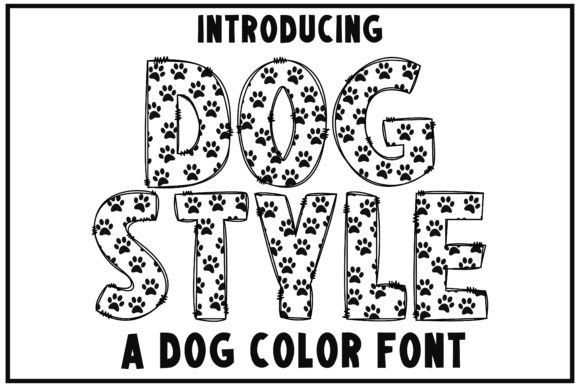
When you first look at Dog Style, the immediate impression is one of joy. It functions primarily as a display font, meaning it is designed to capture attention at larger sizes. The letterforms likely feature soft edges, perhaps slight irregularities that mimic natural hand-lettering, and a rhythm that feels energetic without being chaotic. Because it is a color font, the typography comes alive with embedded color data, allowing for instant vibrancy in compatible software. This characteristic sets it apart from standard sans serif fonts or rigid serif fonts. It possesses a personality that speaks directly to the heart of anyone who appreciates the unconditional love dogs bring to our lives. The style is approachable, ensuring that your message is received with a smile rather than a furrowed brow.
Emotional Impact on Branding and Audience Connection
Brand perception is heavily influenced by typography. If you are building a brand identity for a dog grooming salon, a pet bakery, or a veterinary clinic, the font you choose sets the emotional tone. Using a generic corporate font might suggest efficiency, but it rarely conveys compassion. Dog Style, on the other hand, instantly communicates that your business is friendly, caring, and perhaps a little fun. This is crucial for audience engagement. When potential customers see a logo or marketing material using this typeface, they feel an immediate kinship. It signals that the brand understands the "dog lover" lifestyle. This psychological connection is a powerful tool in marketing, helping to build trust and recognition faster than text-heavy copy alone.
Practical Applications: Where to Use Dog Style
Understanding where a creative font like this excels is key to maximizing its value. While it is tempting to use it everywhere, its strengths lie in specific areas where its playful nature can shine without compromising clarity.
- Logo Design and Branding: The most obvious application is in logo design. Dog Style can serve as the primary wordmark for pet-related businesses. It ensures the brand looks established yet accessible.
- Packaging Design: For products like organic dog treats, custom collars, or toys, packaging needs to pop on the shelf. This font acts as a visual hook, drawing the eye and communicating the product's fun nature immediately.
- Social Media Graphics: In the fast-scrolling world of Instagram and TikTok, you have seconds to grab attention. Using Dog Style for quotes, announcements, or sale headers on social media graphics can significantly increase engagement rates.
- Editorial and Web Design: While not suitable for long body text, it works beautifully for headers in editorial design or web design headlines. It adds personality to blog posts about pet care or website banners for animal shelters.
The Role of Font Pairing in Professional Design
No matter how strong a display typeface is, it rarely works in isolation. One of the most critical skills in typography is font pairing. Because Dog Style has a strong, decorative personality, it requires a grounding partner. You would not pair it with another script font or a busy handwritten font; that would create visual noise.
Instead, look to contrast. A clean, geometric sans serif font is often the perfect companion. The simplicity of the sans serif allows Dog Style to remain the star of the show while ensuring that any secondary information remains highly legible. If the project calls for a more traditional look, a sturdy serif font with low contrast could also work, provided the serif is simple enough not to clash with the playfulness of the primary font. This balance creates a professional visual hierarchy, guiding the reader's eye from the headline down to the details.
Technical Considerations and Usability
Before incorporating Dog Style into your workflow, it is essential to review the technical aspects of the commercial font. As a premium font, it should come with clear licensing terms. Always verify that the license covers your specific use case—whether it is for a client's logo, print-on-demand merchandise, or digital assets.
Furthermore, explore the included styles. Does the font family offer multiple weights or alternates? Having access to different variations allows for more dynamic designs. For instance, you might use a bolder weight for the main logo and a lighter weight for subheadings. Test the font in your specific design environment. Check how the color data renders in different versions of Adobe Photoshop, Illustrator, or Canva. While modern typography software supports color fonts well, it is always best to test for compatibility to avoid surprises during the final production stage.
Readability: The Non-Negotiable Rule
While Dog Style is visually appealing, readability must always be the priority. As a display typeface, it is intended for short bursts of text. Using it for body copy would likely result in eye strain for the reader, negating its positive appeal. Adhere to the hierarchy: use Dog Style for the big, emotional moments (headers, logos, call-to-action buttons) and a clean, legible typeface for the informational text. This approach ensures that your design is not only beautiful but also functional and user-friendly.
Conclusion: A Strategic Asset for Dog-Centric Creatives
Dog Style is more than just a decorative typeface; it is a strategic tool for anyone operating in the pet niche. Its ability to convey playfulness and authenticity makes it an invaluable asset for branding, marketing, and creative projects. By pairing it thoughtfully, respecting its technical requirements, and prioritizing readability, you can elevate your designs from generic to memorable. Whether you are a small business owner designing your first flyer or a seasoned graphic designer working on a rebrand, this font offers a direct line to the hearts of dog lovers everywhere.